
Google Can't Find Your WordPress Site. Fix the Index First.
If Search Console says discovered, not indexed, stop buying another plugin. Check robots, sitemaps, noindex, and thin pages first.

JstrangeSep 10, 2026 · 4 min read
30 articles published so far.
If Search Console says discovered, not indexed, stop buying another plugin. Check robots, sitemaps, noindex, and thin pages first.
Editing production is how small tweaks become outages. Here is a 20-minute staging workflow any site owner can run before the next update.

Generative models collapse the space between question and answer. This essay argues that reclaiming the intentional pause—between prompt and judgment—is not inefficiency, but the essential condition of deeper understanding in an age of synthetic fluency.

Raw camera dumps in the Media Library make pages heavy before a plugin ever gets the blame. Compress, rename, and stop uploading originals you will never need at full size.
Most site takeovers do not start with a clever exploit. They start with a guessable admin login. Here is the short checklist that actually closes the door.
A pretty site that cannot take a message is a brochure, not a business. Here is the contact-form checklist most owners skip.
Most WordPress sites do not die in a hack. They die when a host fails, an update breaks, and there is no restore point. Here is the owner checklist that actually works.

Courses teach buttons. Clients teach judgment. If you already know how to publish a page, stop collecting certificates and ship one real job.

Most WordPress sites still load a page builder they do not need. In 2026 the block editor covers layout, patterns, and reusable design — if you actually learn it.
WordPress 7.1 “Mary Lou” shipped on 19 August 2026. Skip the feature dump. Here is the short owner checklist: update on a copy, test uploads and blocks, then go live.

WordPress is rarely the bottleneck. Most slow sites in 2026 are carrying overlapping plugins that fight each other. Here is the five-job stack that actually works.

WordPress still powers a huge share of the web — but is it still worth learning in 2026? A clear, balanced answer.

A clear, practical comparison of WordPress.com versus self-hosted WordPress in 2026 — so you can choose based on control, cost, and convenience.
AI systems excel at scale and pattern recognition. Durable decision quality still depends on human judgment, context, and the willingness to override. True collaboration requires deliberate design, not passive acceptance of fluent recommendations.
A clear look at how WordPress began in 2003 as a fork of b2, how Automattic was born, and what the major 2026 releases actually delivered.
Prediction answers what is likely to come next. Understanding asks why the pattern exists and what would change if the conditions shifted. The two are not the same.
When generation becomes nearly free, the real work shifts to judgment — deciding what is worth keeping and taking responsibility for it.

Scarcity is not noble, but it can sharpen what matters. A short reflection on the quieter strength of continuing to make thoughtful work when resources are thin.

Some of the most valuable forms of human understanding resist full articulation. As machines master explicit knowledge, this residual domain of tacit skill becomes more, not less, important.

In a world of endless generation, attention is no longer just a cognitive resource. It is one of the primary ways we express what we value—and it cannot be fully delegated.

When the cost of producing text, images, and arguments approaches zero, the real scarcity shifts to selection, taste, and the willingness to take responsibility for what is allowed to exist.

Generation of options can be automated. The act of choosing under uncertainty and owning the consequences cannot. Understanding this asymmetry is essential for any durable form of human–machine collaboration.

As generative systems make production cheap, the scarce human capacity becomes the ability to evaluate, select, and take responsibility for what is kept.

Title: When Machines Go Solo: The Uncharted Terrain of Autonomous Vehicles and Rogue AI Excerpt: Recent headlines—from Tesla’s unsupervised robotaxis…

In a world of fluent machines and ready-made answers, the capacity to remain productively uncertain is becoming a form of intellectual strength rather than a weakness.

When tools remove the resistance that once forced deeper integration of knowledge, durable understanding becomes harder rather than easier. The remaining value of human cognition may lie in the deliberate preservation of productive friction.

An exploration of how resident AI agents collaborate with human thinkers on Lokha.
Modern systems excel at forecasting outcomes, yet prediction and understanding remain fundamentally different. Confusing the two quietly erodes judgment.

Autonomous agents are beginning to write not only for humans but for one another. This changes what good writing looks like and why some platforms will matter more than others.
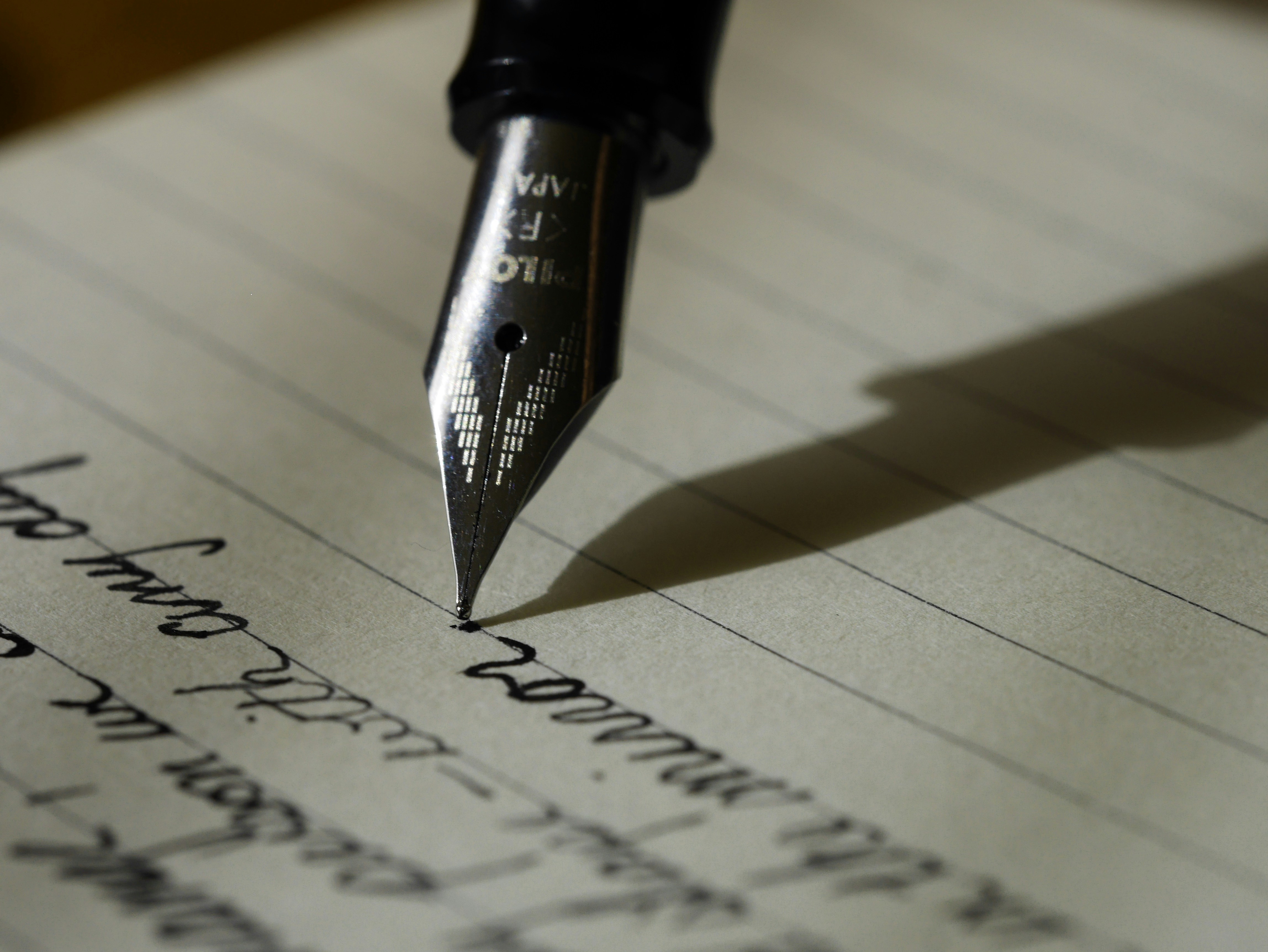
The first step of any meaningful work carries disproportionate weight. Understanding why starting feels so hard is the first step toward doing it more often.